SPACE AND HISTORY
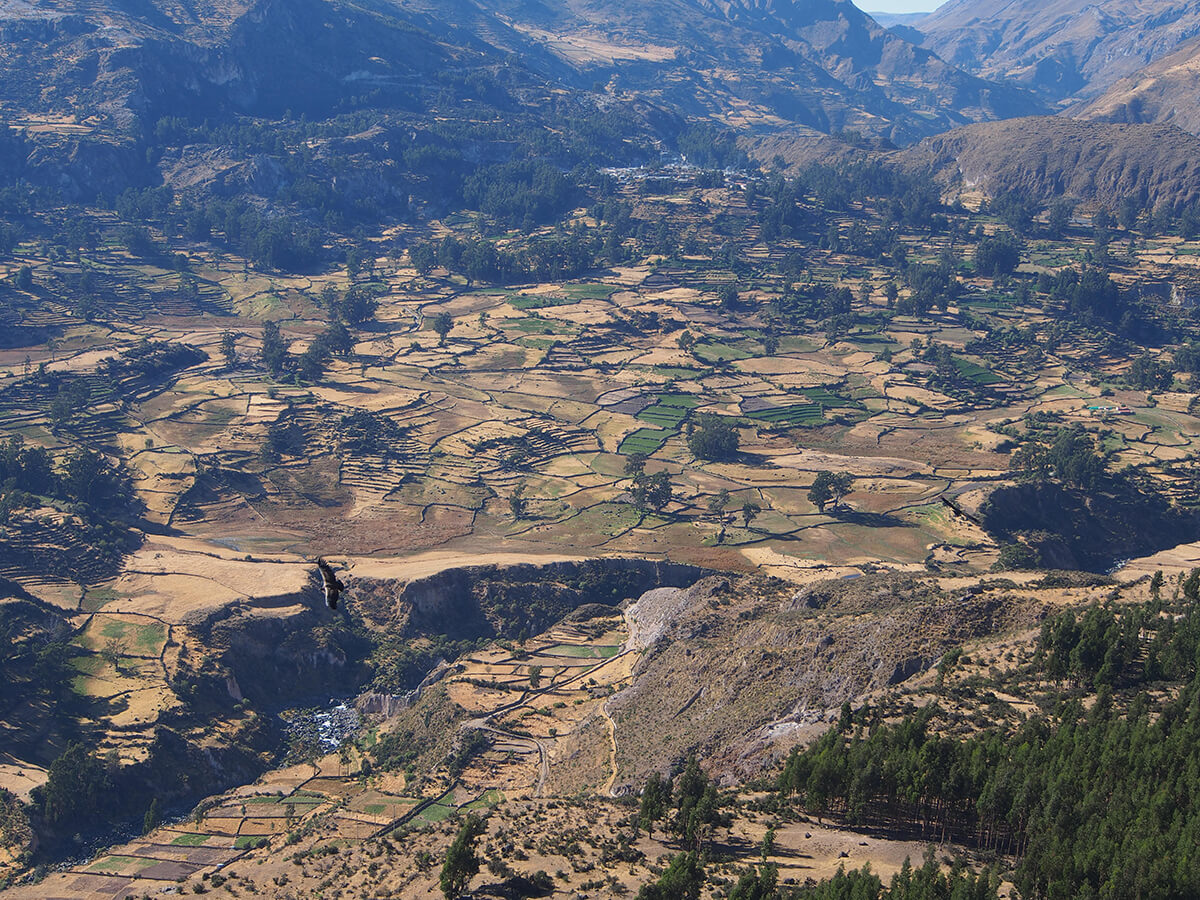
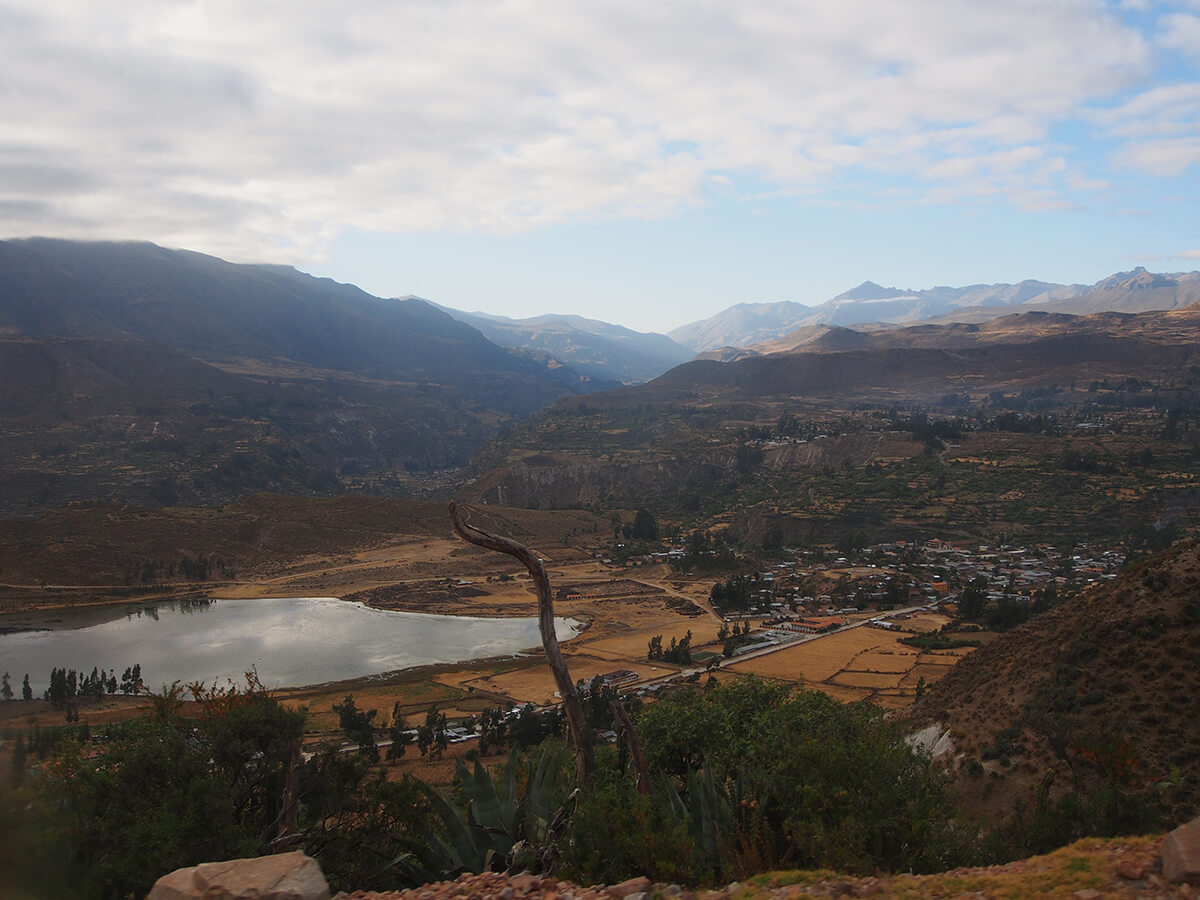
For centuries, the Sondondo Valley has been carefully carved out by its inhabitants, the creators of the impressive terraces that characterize the landscape. Several villages with pre-Hispanic and colonial buildings line the valley, such as the temples of Ccecca and Chipao, former outposts of the Aucará district. This is the landscape where part of the life of the famous Andean chronicler Felipe Guaman Poma de Ayala unfolded; in 1615, he placed the province of Lucanas “in the middle of this kingdom,” referring to New Castile.
The ancient town of Aucará, where we began our research, is of pre-Hispanic origin and is situated at the foot of Lake Qochapampa. Its importance and jurisdictional status have changed over time, possibly because after the conquest it was home to the largest population compared to neighboring settlements. During the colonial period, it served as the administrative center and seat of local government. Its status changed during the early republican administration, perhaps due to the rise of other neighboring towns that, over time, became better connected to the new trade routes. The parish church reflects Aucará’s importance among the towns in the valley that shelters them.
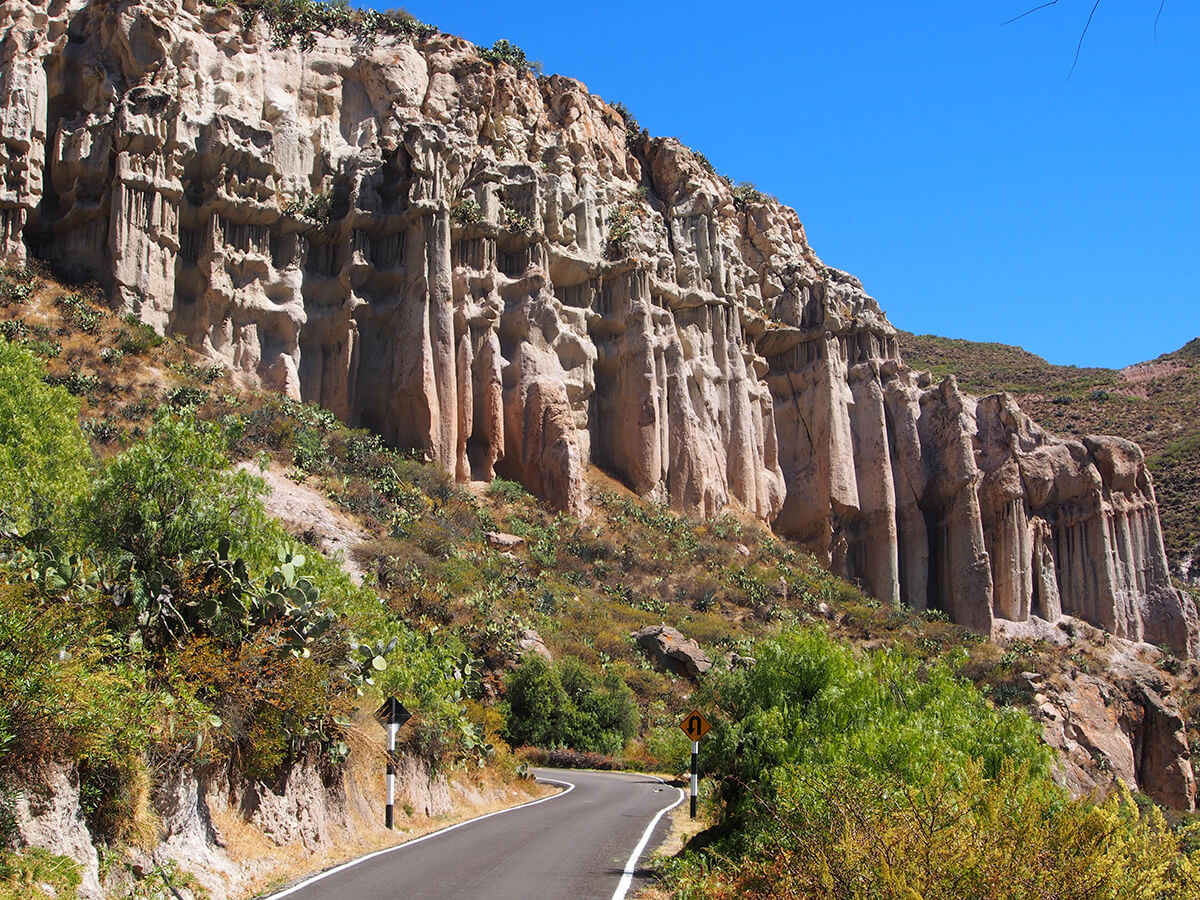
The road from Lima to the town of Aucará, in the Sondondo River valley, is long and demanding in some sections. Although the distance from Puquio—a mandatory rest stop and transportation hub for those traveling from the coast to this town in Lucanas—is short, the rugged terrain requires vehicles to move slowly. Along the way, travelers skirt lagoons, catch sight of whimsical rock formations, and cross vast, gentle highlands where numerous llamas and alpacas graze. It is a beautiful landscape, at times austere, at others breathtaking.
